AfricaExplainer
ANC falls to 30.76%: what the 2026 local election result means for your metro
Local election results in South Africa: the ANC took 30.76%, the DA 24.64%, and seven of eight metros have no outright majority. Here are the numbers and how coalition talks work.

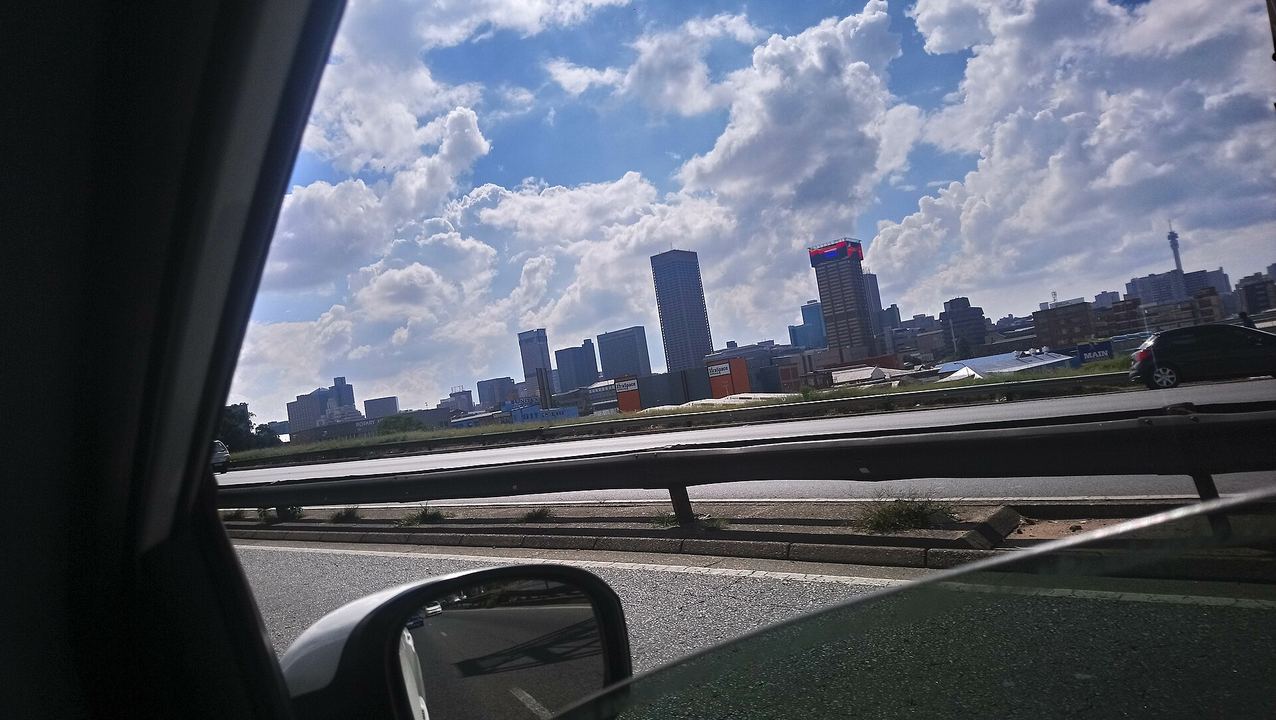
South Africa's 2026 local government election has produced the ANC's weakest national showing in a local poll: final results reported by BusinessTech put the party on 30.76%, down from 45.59% in 2021. The DA rose to 24.64%. This explainer sets out the numbers and what happens next, without taking sides.
What were the national results of the 2026 local elections?
- ANC: 30.76% (2021: 45.59%)
- DA: 24.64% (2021: 21.66%)
- MK Party: 9.77% (new since 2021)
- EFF: 6.22% (2021: 10.31%)
- ActionSA: 5.67% (2021: 2.33%)
IOL reports turnout of 52%, up 6.1 points from 45.9% in 2021.
How big is the shift from 2021?
The change is large on every line of the table. The ANC lost 14.83 percentage points, the biggest move in the field, while the DA gained 2.98 points and ActionSA gained 3.34. The EFF fell 4.09 points to 6.22%. The newcomer is the MK Party, which did not contest in 2021 and now sits third nationally on 9.77%, according to BusinessTech's comparison table.
The headline hides a split in the story. The ANC still leads two metros and remains the largest party nationally by a clear margin of about six points over the DA. What has changed is that in most big cities it no longer leads, and in none of the eight does it hold a majority on its own.
Who leads each of the eight metros?
The DA leads Johannesburg, Tshwane, Ekurhuleni, Cape Town and Nelson Mandela Bay. The ANC leads Buffalo City and Mangaung, and MK leads eThekwini. Seats and vote shares as reported by BusinessTech:
Add Binatec Pulse as a preferred source on GoogleSee more of our stories in Google Top Stories.- Johannesburg (270 seats): DA 34.79% (91), ANC 20.25% (63), ActionSA 16.27% (43)
- Tshwane (214): DA 34.37% (74), ActionSA 22.07% (48), ANC 20.22% (44)
- Ekurhuleni (224): DA 30.68% (66), ANC 22.11% (59), ActionSA 18.50% (40)
- Cape Town (235): DA 56.42% (133), ANC 13.95% (33)
- Nelson Mandela Bay (120): DA 44.17% (53), ANC 25.48% (32)
- Buffalo City (100): ANC 42.02% (42), UDM 18.27% (19), DA 16.90% (17)
- Mangaung (101): ANC 33.91% (35), DA 33.49% (34)
- eThekwini (223): MK 38.29% (86), DA 25.45% (57), ANC 16.43% (37)
Which metros need a coalition?
IOL notes that seven of the eight metros are hung, with Cape Town the only outright majority. In Johannesburg 136 of 270 seats are needed to govern. The DA's 91 plus ActionSA's 43 add up to 134, just short. eThekwini's council needs 112 seats, so MK is 26 short of a majority.
How will the coalition talks work?
Parties negotiate to assemble a majority, then elect the mayor and speaker. IOL reports that ActionSA has held a first round of talks with the ANC, which it called productive, and that the DA's Helen Zille has said she favours a two-party coalition with either ActionSA or the ANC. No deal has been announced. IOL adds that ActionSA leader Michael Beaumont has not ruled out an arrangement involving Zille but has reservations, so the shape of any Johannesburg deal is still open.
Could the numbers still change?
Yes, in KwaZulu-Natal. IOL reports that late objections are before the IEC, which may condone them, with the seven-day period ending on Wednesday 11 November. A voting station in Douglas, Siyancuma Municipality, will also hold a re-vote after ballots were allegedly destroyed. President Cyril Ramaphosa said, as quoted by IOL, "This is not a weakness of democracy. It is an expression of the choices that the people have made."
What is a hung council and why does it matter?
A hung council is one where no party holds more than half the seats. In the metros, that means the party with the most seats cannot simply elect its own mayor. Johannesburg shows the arithmetic: the DA's 91 seats and the ANC's 63 are both far below the 136 needed, and even the DA and ActionSA together fall two seats short on the preliminary allocation reported by IOL.
Smaller parties therefore decide outcomes. In Tshwane, ActionSA's 48 seats and the Freedom Front Plus's 17 matter far more than their vote shares suggest. In Mangaung, the ANC's 35 seats and the DA's 34 are separated by one seat, so the nine EFF councillors, six Freedom Front Plus councillors and four Patriotic Alliance councillors are in play.
For residents, the practical stakes are budgets, water and electricity contracts and service delivery, all of which are decided by councils. Pulse will follow how each deal forms; the first test is which parties agree to back a mayor in Johannesburg, Tshwane and Ekurhuleni.
One caution on the figures: BusinessTech and IOL differ by a hair in places, such as MK's national share (9.77% against 9.76%) and the size of the ANC's Mangaung lead, so we cite BusinessTech's table and note IOL where it adds detail. The IEC's own results portal is the authority if you need certified numbers.
Questions people are asking
What percentage did the ANC get in the 2026 local elections?
30.76%, down from 45.59% in 2021, according to final results reported by BusinessTech.
Which party leads the most metros?
The DA leads five of the eight metros: Johannesburg, Tshwane, Ekurhuleni, Cape Town and Nelson Mandela Bay.
Which metro has an outright majority?
Only Cape Town, where the DA took 133 of 235 seats.
What was voter turnout?
IOL reports 52%, up from 45.9% in 2021.